He Missed Her Curtain Call. I Found His Secret in the Glovebox.
Grant Whitmore missed our daughter’s school play because he was holding another woman’s hand in a maternity ward.
I knew that before he ever came home smelling like rain, hospital soap, and a lie too expensive to be spoken carelessly.
Lily had stood on the stage at St. Cecilia’s in a silver cardboard crown, searching the darkness for her father’s face.
The seat beside me stayed empty the entire night.
When the final song ended, my six-year-old bowed to an empty chair.
Grant texted me at 7:42 p.m.
Traffic is hell. Investors ran late. Kiss Lily for me.
At 9:18 p.m., I found the pink hospital bracelet in his Mercedes glovebox.
MADISON VALE.
MATERNITY INTAKE.
HARBOR SAINT WOMEN’S CENTER.
7:11 P.M.
I took three photos, put it back exactly where I found it, and closed the glovebox softly.
Then I walked into our house, kissed my sleeping daughter’s forehead, and decided I would not scream.
I would not beg.
I would not give Grant Whitmore the gift of watching me fall apart.
Part 1: The Empty Seat in the Front Row
The play was called Moonlight in Maple Grove, which sounded like something written by a woman who owned too many cardigans and cried during car commercials.
Lily had one line.
“I will light the way home.”
She practiced it for three weeks in front of the bathroom mirror, the refrigerator, the staircase, and once in front of our golden retriever, who seemed deeply moved.
Grant promised he would be there.
Not casually.
Not vaguely.
He knelt in front of her that morning in his charcoal Brioni suit, adjusted her crooked ponytail, and said, “Wild horses could not keep me away, Bug.”
Lily believed him because children are still generous with people who do not deserve it.
I watched from the doorway with a coffee cup in my hand and a quiet weight in my chest.
Grant had been late for dinners, early for flights, and unreachable on weekends for three months.
He had stopped asking me how I slept.
He had started taking calls in the garage.
He had changed the passcode on his phone and pretended it was because of “new company security.”
Men like Grant never think betrayal begins with the kiss.
It begins with the password.
Still, I dressed for the play as though everything was intact.
Cream silk blouse.
Black cigarette pants.
Pearl studs from my mother.
A camel coat sharp enough to make grief look like taste.
The chapel auditorium at St. Cecilia’s smelled like floor wax, paper programs, and the sugary breath of overexcited children.
Parents waved phones.
Grandparents whispered.
A row of tiny trees waited behind the curtain, their leaves made of green construction paper and glitter.
Lily peeked out once, spotted me, and grinned.
Then she looked at the seat beside me.
Empty.
I placed my handbag there for the first twenty minutes because hope is humiliating when it needs a place to sit.
At 7:15, I moved the bag to the floor.
At 7:29, Lily stepped onto the stage.
Her crown tilted over one eye.
The spotlight washed her small face gold.
She searched the audience and found only me.
Something in her smile dimmed, but she said her line perfectly.
“I will light the way home.”
The audience clapped.
I clapped the loudest.
I clapped until my palms stung because one day she would remember sound more than absence, and I wanted the sound to be mine.
After the play, she walked to me holding a paper moon.
“Daddy didn’t come?” she asked.
I crouched, careful not to wrinkle my blouse, careful not to let the room see my heart split open.
“He tried, sweetheart,” I said.
It was the first lie Grant made me tell our daughter that night.
It would not be the last.
At home, Lily fell asleep in her costume with silver glitter on her cheeks.
I carried her crown to the mudroom and went back outside to retrieve the paper moon she had left in Grant’s car that morning.
He had taken my Range Rover because he said the Mercedes needed to be “ready for clients.”
That was another lie, though I did not know how large yet.
The Mercedes sat in the driveway under the security lights, black and polished like a coffin.
Inside, the car smelled faintly of cedar leather, his cologne, and something sterile.
The paper moon had slipped between the passenger seat and the console.
When I reached for it, my fingers brushed a folded valet ticket.
Harbor Saint Medical Plaza.
Time stamped 6:58 p.m.
My pulse did not race.
That surprised me.
It slowed.
It became deliberate.
A winter river under ice.
I opened the glovebox.
Grant kept sunglasses there, registration papers, a roll of peppermint mints, and the small leather case that held his cufflinks.
Behind the cufflink case was the bracelet.
Pink plastic.
Hospital issued.
Softly curved, like it had been removed from a wrist and hidden in a hurry.
MADISON VALE.
OB TRIAGE.
7:11 P.M.
I knew Madison.
Everyone knew Madison.
She worked for the Whitmore Foundation as a “strategic image consultant,” which meant she smiled in photographs, whispered near donors, and somehow got invited to rooms where wives were expected to be decorative but silent.
She was twenty-nine, blond in a glossy, expensive way, and always looked at Grant like he was an auction item she had already won.
At last year’s Christmas party, she touched his arm while laughing and watched my face instead of his.
I remember thinking, how ordinary.
The cruelty was not new.
Only the evidence was.
I photographed the bracelet from three angles.
I photographed the valet ticket.
I photographed a small ultrasound appointment card tucked beneath the floor mat, the corner barely visible.
Then I put everything back.
Exactly.
The bracelet behind the cufflinks.
The valet ticket folded in half.
The appointment card under the mat.
I closed the glovebox with two fingers.
When Grant came home at 11:03, he looked tired in the theatrical way guilty men practice in elevators.
His hair was damp from the rain.
His tie was loosened.
His wedding ring was on.
That almost made me laugh.
“Avery,” he said, dropping his keys in the marble bowl. “I feel awful.”
“About what?” I asked.
He blinked.
“Lily’s play.”
“Oh.”
I turned a page in the cookbook I had not been reading.
“She was wonderful.”
“I got trapped with investors from Chicago.”
“Of course.”
“I texted.”
“You did.”
He studied me then.
Men like Grant notice when women do not perform pain correctly.
They expect tears, accusation, proof that they still matter enough to destroy the room.
I gave him nothing.
He stepped closer.
“You’re upset.”
“I’m tired.”
“That’s not the same thing.”
“No,” I said. “It isn’t.”
His jaw tightened.
For a second, the mask slipped, and I saw annoyance beneath the guilt.
Not remorse.
Annoyance.
Because my silence had inconvenienced him.
He went upstairs to shower.
I stayed in the kitchen and listened to the water run through the walls.
Then I opened my laptop and searched for the name Naomi Pierce.
Divorce attorney.
Former federal prosecutor.
Terrifying reputation.
Two offices, one in Manhattan and one in Greenwich.
By midnight, I had requested a consultation.
By morning, I had packed Lily’s school lunch, braided her hair, and kissed Grant goodbye like I had not found the first loose thread of his empire.
Part 2: Dinner at the Whitmore Mansion
Two days later, Grant’s mother summoned us to Sunday dinner in Greenwich.
Eleanor Whitmore never invited.
She summoned.
The Whitmore mansion sat behind iron gates on sixteen acres of manicured lawn, all white columns, black shutters, and old money pretending not to count itself.
Inside, the entry hall had a chandelier the size of a small planet and a staircase built for women to descend while deciding men’s futures.
I had descended that staircase once in a wedding gown.
Eight years later, I walked in wearing navy wool, diamond studs, and the calm expression of a woman carrying a loaded gun no one could see.
Lily ran ahead to find her cousins.
Grant placed his hand at the small of my back for the housekeeper’s benefit.
His touch felt like a signature forged on my skin.
In the dining room, Eleanor stood near the fireplace with a glass of white wine.
She was silver-haired, flawless, and cold enough to preserve fruit.
Beside her stood Madison Vale.
Madison wore ivory.
Not cream.
Not beige.
Ivory.
The color of brides, saints, and women who arrive at another woman’s family dinner to make a point.
Her hand rested lightly on her stomach.
Grant’s fingers tightened against my back.
There it was.
The announcement dressed as coincidence.
“Avery,” Madison said, smiling as though we were sorority sisters meeting for brunch. “It’s so good to see you.”
“Madison,” I said. “What a surprise.”
Her smile widened.
Eleanor looked between us with the satisfied stillness of a woman watching a servant place the correct knife.
“Madison has been helping us with the children’s hospital gala,” Eleanor said.
“How generous.”
“We need younger energy,” Eleanor continued. “The foundation cannot be all grief-stricken mothers and silent auctions forever.”
Grant coughed into his drink.
I looked at him.
He looked away.
Dinner was served under oil portraits of dead Whitmores who had probably lied with better posture.
Lily sat beside me, swinging her feet, unaware that the adults around her were arranging dynamite under the table.
Madison sat across from Grant.
She barely touched her salmon.
Every few minutes, her palm drifted to her stomach.
Every few minutes, Eleanor noticed.
Halfway through the meal, Grant set down his fork.
The sound was small.
The room obeyed it.
“There’s something we need to discuss,” he said.
Lily looked up from her potatoes.
I placed my hand over hers.
Grant did not look at our daughter.
He looked at me.
A merciless thing, really, to give your wife eye contact only when you are about to humiliate her.
“My life has become complicated,” he said.
I almost admired the phrasing.
Not deceitful.
Not cruel.
Complicated.
The language men use when they want consequences to sound like weather.
Eleanor inhaled.
Madison lowered her eyes.
Grant continued.
“Madison is pregnant.”
The dining room went so silent I could hear the old clock ticking in the hall.
Lily turned to me.
“Mommy?”
I smiled at her.
Not at Grant.
Not at Madison.
At Lily.
“Finish your potatoes, sweetheart.”
Grant’s face hardened.
He wanted a scene.
He had chosen the mansion, his parents, the silver, the portraits, the staff moving quietly in the shadows, because he thought humiliation needed architecture.
He wanted me to break in a room built by his family.
I lifted my water glass and took a slow sip.
Eleanor folded her hands.
“Avery, I know this is difficult.”
“Do you?”
Her eyes sharpened.
“Grant has obligations.”
“He has many.”
“To the family,” she said.
“To his daughter,” I replied.
The table shifted.
Madison’s smugness flickered.
Grant leaned back in his chair.
“Don’t weaponize Lily.”
I looked at him for a long second.
“You missed her play for an ultrasound.”
His fork stopped halfway to the plate.
Madison went pale enough for her ivory dress to look yellow.
Eleanor’s gaze moved to Grant.
He recovered quickly.
“I told you I was with investors.”
“Yes,” I said. “You did.”
I let the sentence sit between us like a sealed envelope.
Grant’s father, Richard, finally spoke from the head of the table.
He had said nothing all evening, which was how powerful men pretended not to enjoy violence.
“Grant,” Richard said, “perhaps this conversation should not include the child.”
“Agreed,” I said.
I turned to Lily.
“Coat, sweetheart.”
Grant’s chair scraped back.
“Avery.”
I stood.
The room rose with me, not physically, but in attention.
“I will not discuss my marriage at a dinner table with my daughter present and your pregnant girlfriend sitting across from me.”
Madison flinched at girlfriend.
Good.
Precision matters.
Eleanor’s mouth tightened.
“Do not be vulgar.”
I picked up my handbag.
“Vulgarity arrived before I did.”
Lily came to my side wearing her little red coat, confused but obedient.
Grant lowered his voice.
“We need to handle this like adults.”
“No,” I said. “You needed to handle this like an adult before you made a child with a woman who attended our Christmas card photo shoot.”
Madison whispered, “That is unfair.”
I looked at her for the first time without politeness.
“Madison, the kindest thing I can do tonight is ignore you.”
Her lips parted.
Grant stepped toward me.
“You don’t get to talk to her that way.”
I smiled then.
Just a little.
There are smiles that forgive.
There are smiles that warn.
Mine was the second kind.
“Grant,” I said softly, “you have no idea what I get to do.”
He stared at me, and I saw it again.
Not guilt.
Not fear yet.
Irritation.
He still believed this was a story in which he controlled the ending.
In the car, Lily was quiet.
I fastened her seat belt and kissed her forehead.
“Are you and Daddy mad?” she asked.
I wanted to lie again.
Instead, I chose a smaller truth.
“Daddy made a very grown-up mistake.”
“Did I do something?”
“No.”
The word came out sharper than I intended.
I softened my voice.
“No, baby. Never. You are the best thing that ever happened to me.”
She nodded, holding her paper moon in both hands.
As we drove down the Whitmore driveway, I saw Grant standing in the doorway behind us.
Madison stood beside him.
Eleanor stood behind them both.
Three figures framed by golden light.
A family portrait no one had painted yet.
My phone buzzed in the cupholder.
An email from Naomi Pierce’s office.
Consultation confirmed.
Monday, 9:00 a.m.
I drove into the dark with one hand on the wheel and one hand over my daughter’s tiny sneaker.
For the first time since I found the bracelet, I let myself breathe.
Part 3: The Prenup Had Teeth
Naomi Pierce’s office overlooked Bryant Park from the thirty-first floor.
The lobby was quiet, expensive, and free of flowers.
That told me everything I needed to know.
Florists soften bad news.
Naomi did not believe in softening anything.
She was in her fifties, Black, elegant, and wore a steel-gray suit that made everyone else in the room look underprepared.
She read the prenup in silence.
Then she read it again.
Then she looked at me over the rim of her glasses.
“Who drafted this?”
“Grant’s father.”
Her mouth curved.
“Richard Whitmore hated his son.”
I blinked.
“Excuse me?”
“He protected the family assets from Grant by pretending to protect Grant from you.”
She tapped the document.
“This is not just a prenup. It is a behavioral leash.”
I sat very still.
Naomi turned the pages.
“Infidelity clause. Public scandal clause. Concealed pregnancy clause. Misuse of marital funds. Reputation damage connected to Whitmore Holdings. If triggered, the offending spouse forfeits a significant portion of marital equity accumulated after the wedding.”
“Grant made me sign that before the rehearsal dinner.”
“Yes,” she said. “And then he signed the same thing.”
I remembered that night.
The rain on the windows of the Boston hotel.
My mother’s worried eyes.
Grant telling me it was just family procedure.
Eleanor saying, “Women who enter wealthy families must understand structure.”
I had been twenty-seven and in love.
I signed because I thought love made paperwork irrelevant.
That is what young women believe before paperwork saves them.
Naomi slid another document toward me.
“This one matters more.”
“The Lily Trust?”
“Yes.”
My throat tightened.
After Lily was born, Richard Whitmore created a trust in her name.
It held twenty-seven percent of Whitmore Holdings voting shares, vesting when she turned twenty-five.
Until then, the voting proxy belonged to her primary custodial parent.
I had never paid attention to that part.
Grant told me it was symbolic.
A sweet gesture from a grandfather.
Naomi’s eyes said men often call chains bracelets if the gold is shiny enough.
“Grant’s personal shares are overleveraged,” she said. “He used them as collateral for the Atlantic Yard development.”
I stared at her.
“How do you know that?”
“I read filings for fun.”
I almost smiled.
She did not.
“If he loses access to Lily’s proxy, he loses effective control of the company.”
The room tilted slightly.
“So this is not just about Madison.”
“No,” Naomi said. “Madison is the lipstick on the bomb.”
I looked out the window at Bryant Park, where people moved beneath bare trees with coffees in their hands, unaware that my marriage had become a corporate crime scene.
Naomi continued.
“Did Grant ask you to sign anything recently?”
I thought of the envelope he left on my desk last week.
A “school transfer authorization.”
A “family privacy agreement.”
A “temporary custody schedule for business travel convenience.”
All unsigned.
I had ignored them because Lily had a fever and life was full of ordinary fires.
I opened my handbag and removed the folder.
Naomi read for two minutes.
Then she said a word that did not belong in a law office.
“Cute.”
“What?”
“He tried to make you waive primary custodial status without using the word custody.”
My stomach turned cold.
“He wanted Lily’s proxy.”
“He wanted Lily’s proxy, your silence, and probably a clean runway to install Madison as the next Mrs. Whitmore before the annual board meeting.”
The annual board meeting was in three weeks.
The children’s hospital gala was in two.
Madison’s pregnancy was not just betrayal.
It was strategy.
Naomi held up the photos from my phone.
“The bracelet is good.”
“There is also a valet ticket and an appointment card.”
“Better.”
“I put everything back.”
“Best.”
I looked at her.
“Can we get hospital records?”
“Not easily. But we can subpoena billing, parking, security footage, corporate card statements, and phone location records once we file.”
“Will he know?”
“Oh, he will know.”
Her tone was calm.
“He just will not know how much you know.”
That afternoon, I drove home through Manhattan traffic with a legal folder on the passenger seat and the strange sensation that my grief had been given a spine.
Grant was in the kitchen when I arrived.
He was not supposed to be home.
He stood near the island, reading Lily’s spelling test, which she had proudly taped to the refrigerator.
A bright red A smiled from the top.
“She’s doing well,” he said.
“She is.”
“I don’t want this to get ugly.”
I placed my keys in the marble bowl.
“You should have thought of that before dinner at your parents’ house.”
He rubbed his forehead.
“I know you’re angry.”
“I am not angry.”
That made him look up.
“You’re not?”
“No.”
It was true.
Anger is hot.
What I felt was colder.
Cleaner.
“I am informed.”
His expression tightened.
“Avery, Madison’s pregnancy changes things.”
“Does it?”
“I have responsibilities.”
“You keep using that word.”
“She’s carrying my child.”
“You missed our child’s school play to watch another woman’s ultrasound.”
He exhaled hard.
“You’re making this sound cheap.”
“No, Grant. You did that.”
For the first time, he looked wounded.
Not because he had hurt me.
Because I had described him accurately.
He stepped closer.
“I never meant for you to find out this way.”
I laughed once.
It was small and sharp.
“How thoughtful. What way did you plan? A gala toast? A family newsletter? Madison wearing your grandmother’s emeralds while Lily asked why Daddy moved out?”
His eyes darkened.
“You need to be careful.”
There it was.
The first threat.
Not loud.
Not dramatic.
Delivered in a kitchen with fresh lemons in a bowl and our daughter’s spelling test on the fridge.
“Careful women get buried quietly,” I said.
He stared at me.
I picked up Lily’s lunchbox from the counter.
“I have no intention of being careful.”
That night, Grant slept in the guest room.
I did not lock the bedroom door because fear makes too much noise.
I slept with my phone under the pillow and Naomi’s card on the nightstand.
At 2:13 a.m., I woke to the faint sound of footsteps in the hall.
Grant was in the study.
The light under the door glowed thin and gold.
I walked barefoot to the doorway and heard his voice through the wood.
“She knows about the hospital.”
A pause.
Then Grant again.
“No, she doesn’t know about the trust. Not yet.”
Another pause.
“She won’t fight me. She loves Lily too much to drag this into court.”
I stood there in the dark, listening to the father of my child mistake my love for weakness.
Then he said, “After the gala, we move fast.”
I went back to bed.
This time, I did not sleep.
At dawn, I emailed Naomi one sentence.
He is going to use the gala.
Her reply arrived four minutes later.
Then we use it first.
Part 4: The Gala Where Everyone Smiled
The Whitmore Children’s Hospital Gala was held at the Plaza because Eleanor believed charity mattered more when photographed beneath chandeliers.
The ballroom glowed with candles, crystal, orchids, champagne, and the soft thunder of wealthy people pretending generosity was a personality.
Madison arrived on Grant’s arm wearing emerald silk.
My emerald silk.
The dress had been mine first, selected by a stylist and rejected by me because it looked like a wife trying too hard to be forgiven.
On Madison, it looked like a woman trying to be crowned.
Grant saw me across the room and froze.
I wore black.
Not funeral black.
Not revenge black.
Quiet black.
A strapless column gown, minimal diamonds, hair swept back, red lipstick precise as a verdict.
Naomi stood beside me in a tuxedo jacket, looking less like a lawyer and more like the reason guilty people left parties early.
“You look calm,” she said.
“I am not.”
“Good. Calm is a behavior, not a feeling.”
Across the ballroom, Eleanor greeted donors with Madison beside her.
She was introducing her.
Not by title.
By proximity.
A whisper moved through the room.
People looked at my left hand, then at Madison’s stomach, then at Grant.
Old money loves scandal as long as it arrives wearing proper shoes.
At 8:40, Richard Whitmore took the stage.
He welcomed donors.
He praised the hospital.
He thanked the board.
Then he said, “My son Grant would like to share a personal word.”
Naomi’s hand touched my elbow.
“Ready?”
I looked at Lily’s photo on my phone lock screen.
She was missing a front tooth and holding her paper moon.
“Yes.”
Grant stepped to the microphone.
He had the face of a man about to turn betrayal into branding.
“Family,” he began, “has always been the center of Whitmore Holdings and the Whitmore Foundation.”
I moved toward the stage before he could continue.
The crowd shifted.
Grant saw me coming.
His smile tightened.
“Avery,” he said softly into the microphone, forgetting it was live.
The ballroom heard my name.
Perfect.
I stepped onto the stage.
Eleanor went white near the front table.
Madison’s hand went to her stomach like a flag.
I took the microphone from Grant’s hand.
Not roughly.
Not dramatically.
I simply took it.
The room inhaled.
“Thank you, Grant,” I said.
My voice carried cleanly beneath the chandeliers.
“I know tonight is about children.”
I looked across the tables.
“Children who deserve safety. Children who deserve adults who tell the truth. Children who should never be used as props, shields, leverage, or excuses.”
Grant whispered, “Stop.”
I smiled at the donors.
“My husband planned to make a personal announcement tonight.”
Eleanor stood.
Naomi moved beside the stage.
I continued.
“But because that announcement concerns my daughter, my marriage, and the reputation of this foundation, I will make one statement first.”
Grant’s hand closed around my wrist.
The cameras caught it.
Every phone in the room rose slightly.
I looked at his fingers on my skin.
“Let go.”
He did.
That clip would be online by midnight.
I faced the ballroom.
“Earlier this week, Grant missed our daughter Lily’s school play. He told me he was with investors. I later found evidence that he was at Harbor Saint Women’s Center with Madison Vale during a maternity intake appointment.”
A sound went through the room.
Not a gasp.
Something better.
Recognition.
Madison sat down.
Eleanor looked at Richard with murder in her eyes.
Richard looked at Grant with something older and more dangerous than anger.
I kept my voice steady.
“This is not an accusation made in grief. It is a matter now being handled legally.”
Grant grabbed the microphone from me.
“This is a private family issue.”
Naomi stepped forward.
“Not anymore.”
She handed a sealed envelope to Grant.
Then one to Richard.
Then one to the foundation’s general counsel, who had risen from table seven looking like his night had just been ruined permanently.
Naomi spoke clearly enough for the front tables to hear.
“Notice of filing. Preservation demand. Corporate expenditure review. Custody injunction request.”
Grant’s face drained.
Madison stood suddenly.
“This is insane.”
I looked at her.
“No, Madison. Insane was wearing my dress.”
Someone laughed.
A real laugh.
It cracked the room open.
Grant turned on me.
“You are humiliating yourself.”
There it was again.
The old trick.
A man sets the fire, then calls the woman dramatic for smelling smoke.
I leaned close enough that only he and the microphone could hear.
“No, Grant. I am introducing you to consequences.”
The microphone carried every word.
By morning, the clip had three million views.
By noon, the board requested an emergency meeting.
By Monday, Grant filed for custody.
His petition described me as unstable, vindictive, emotionally volatile, and harmful to Lily’s relationship with her father.
It included photos from the gala where I stood onstage in black under a thousand phones.
He thought public composure could be repackaged as public hysteria if the right lawyers used enough adjectives.
Naomi read the petition at her conference table and smiled without warmth.
“Predictable.”
I sat across from her, hands folded.
“He wants Lily.”
“He wants her proxy.”
“He said I was unstable.”
“He needed you to be. You refused to perform, so now he’ll write the performance for you.”
The custody hearing was scheduled in Stamford Superior Court six days later.
The courthouse smelled like wet wool, coffee, and other people’s endings.
Grant arrived with two attorneys, Eleanor, Richard, and Madison.
Madison wore pale blue and no visible jewelry.
She had learned something from the dress.
I arrived with Naomi and a folder of evidence thick enough to require both hands.
Grant did not look at me in the hallway.
Madison did.
She smiled.
Small.
Smug.
The kind of smile women give when they believe pregnancy has made them untouchable.
Inside the courtroom, the judge was a woman named Marjorie Bell.
She looked like she had heard every lie in Connecticut twice and was tired of the reruns.
Grant’s attorney spoke first.
He described a “distressed marital breakdown.”
He described my “public outburst.”
He described Grant as a devoted father navigating a difficult transition.
Then Naomi stood.
She did not raise her voice.
She did not need to.
“Your Honor, Mr. Whitmore missed his daughter’s school performance and lied about his whereabouts. He then attempted to introduce his pregnant mistress at a family dinner attended by the child. He attempted to use a public charity gala to control the narrative before my client could secure legal protection.”
Grant’s attorney objected.
The judge told him to sit down without using those exact words.
Naomi continued.
“We are not here because my client is unstable. We are here because Mr. Whitmore requires custody to obtain voting control of a trust belonging to the minor child.”
The courtroom shifted.
Richard closed his eyes.
Eleanor looked at Grant as if he had left blood on the carpet.
Grant’s attorney stood.
“Speculation.”
Naomi lifted a document.
“Not speculation. Internal emails from Whitmore Holdings, obtained through emergency discovery after Mr. Whitmore’s team filed corporate materials with this court.”
Grant turned to his attorney.
His attorney did not turn back.
Naomi read one line.
“After the gala, we move fast. Avery won’t fight if Lily is involved.”
My skin went cold.
I knew the words.
I had heard them through the study door.
Seeing them printed was different.
Lies become heavier when paper holds them.
The judge looked at Grant.
“Mr. Whitmore, did you write that?”
Grant’s jaw worked.
“It is taken out of context.”
Naomi stepped closer.
“Then let us add context.”
She placed the photographs on the screen.
The hospital bracelet.
The valet ticket.
The appointment card.
Madison stopped smiling.
Naomi faced Grant.
“Mr. Whitmore, you told your wife you were with investors on the evening of October twelfth, correct?”
Grant’s attorney touched his sleeve.
Grant ignored him.
“Yes.”
“Then my lawyer asked Grant why the bracelet date matched the night he claimed to be with investors.”
The courtroom went silent enough to hear the fluorescent lights.
Grant looked at the screen.
At Madison’s name.
At the time.
At the lie in pink plastic.
Naomi’s voice stayed soft.
“Were the investors in the maternity wing?”
No one laughed.
It was too clean for laughter.
Grant said nothing.
The judge leaned forward.
“Answer the question.”
Grant swallowed.
“No.”
“Were you at Harbor Saint Women’s Center with Ms. Vale at 7:11 p.m.?”
“Yes.”
“Did you miss your daughter’s school play to attend Ms. Vale’s maternity appointment?”
His face hardened.
“Yes.”
Lily was not in the courtroom.
Thank God.
Still, I felt the answer strike somewhere maternal and ancient in me.
Naomi moved to the next page.
“Did you pay for that appointment with a Whitmore Holdings corporate card coded as investor entertainment?”
Grant’s attorney stood so fast his chair hit the rail.
“Your Honor.”
The judge’s eyes narrowed.
“Counsel, control your client or prepare for him to answer.”
Grant’s attorney sat.
Naomi did not smile.
“Withdrawn for this proceeding, Your Honor. We will reserve that for the corporate matter.”
Grant looked at me then.
For the first time, I saw fear.
Not of losing me.
Not even of losing Lily.
Fear of losing the machine that made him untouchable.
Then Naomi opened the second sealed folder.
“Your Honor, there is one more matter. Mr. Whitmore has repeatedly claimed that Ms. Vale is carrying his child, and he has used that claim to justify destabilizing his daughter’s home.”
Madison sat up.
Her attorney, who had not spoken all morning, suddenly looked awake.
Naomi continued.
“Because Mr. Whitmore placed paternity and future family structure at issue, the court authorized limited prenatal paternity testing after all parties consented through counsel.”
Madison whispered, “Grant.”
Grant did not move.
Naomi looked at the judge.
“The results exclude Mr. Whitmore as the biological father of Ms. Vale’s pregnancy.”
For three seconds, nobody breathed.
Then the entire Whitmore family broke in different directions without moving.
Eleanor’s lips parted.
Richard stared at Madison.
Grant stared at the floor.
Madison’s face crumpled, then sharpened.
“It was a mistake,” she said.
The judge’s head turned.
“Ms. Vale, do not speak unless called.”
Madison’s eyes filled with angry tears.
She was not heartbroken.
She was cornered.
Grant looked at her as if she had stolen from him, which was almost funny considering the circumstances.
Naomi was not finished.
“At the same time, Mr. Whitmore implied in filings that my client’s bond with Lily was manipulative and that he was the more appropriate parent to maintain continuity. We requested confirmation regarding Lily’s legal and biological status only because Mr. Whitmore’s trust arguments required it.”
I looked at Grant.
His face changed.
That was the secret he thought I did not know.
He had planned to question Lily’s paternity if it helped him break the trust.
Naomi placed the final result before the court.
“Lily Whitmore is confirmed as Mr. Whitmore’s biological child. The trust remains intact. My client remains the primary custodial parent and current proxy holder.”
The judge removed her glasses.
“Mr. Whitmore, this court has seen custody disputes motivated by many things. Money, revenge, fear, genuine concern. I am not persuaded that your emergency petition is about your daughter’s welfare.”
Grant tried to speak.
The judge lifted one hand.
“No.”
The word landed like a door closing.
Temporary sole physical custody remained with me.
Grant received supervised visitation pending review.
Lily’s school, residence, medical care, and trust proxy could not be altered without court approval.
Whitmore Holdings assets tied to marital agreements were frozen.
By the time we stepped into the courthouse hallway, Madison was sobbing near the elevators while Eleanor pretended not to know her.
Grant walked toward me.
Naomi moved between us.
He stopped.
“Avery,” he said.
I looked at him.
He looked ruined and somehow still handsome, which felt like an insult.
“I made mistakes.”
“No,” I said. “You made plans.”
His eyes flickered.
“That is not the same thing.”
I walked past him into the pale afternoon light.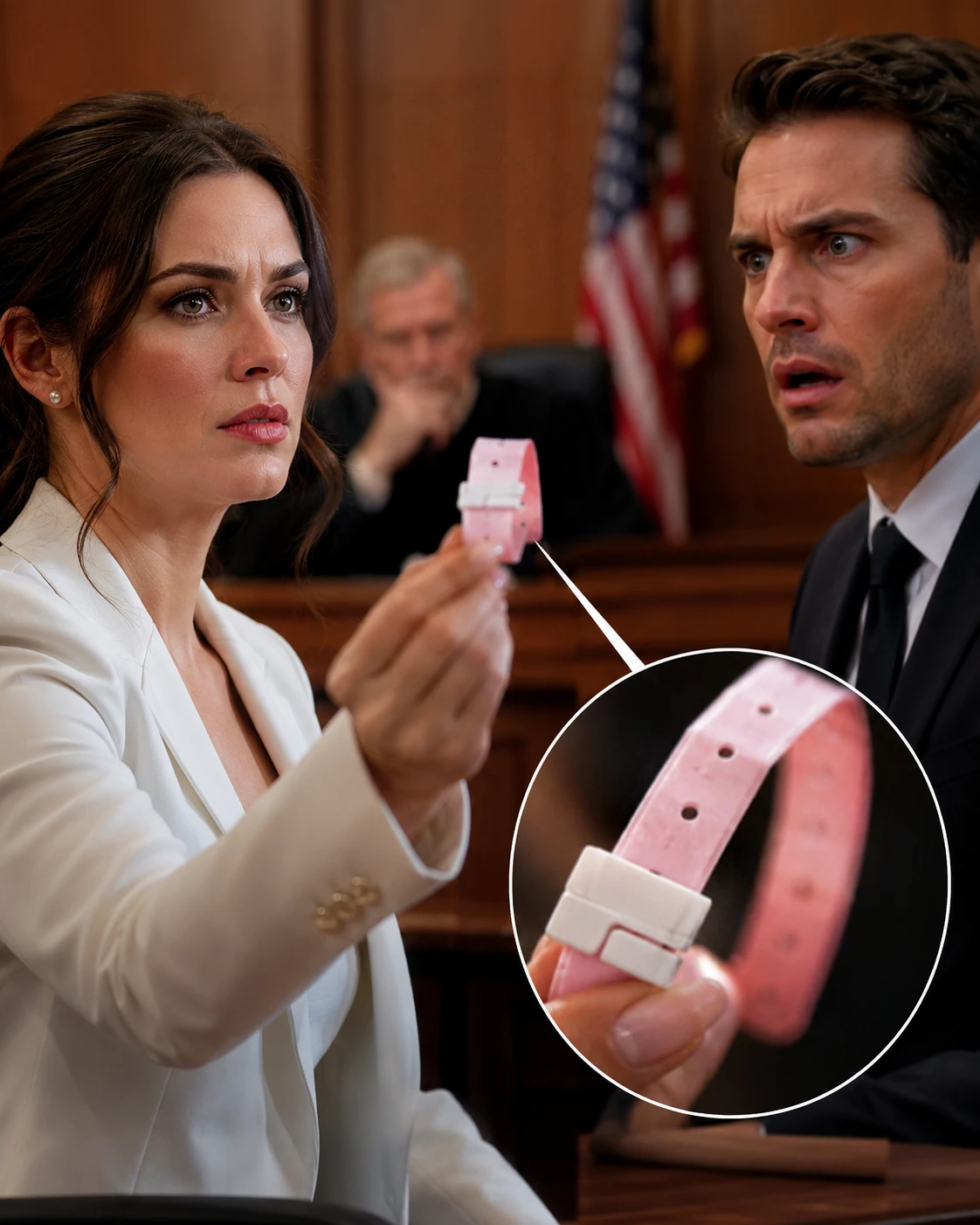
Outside, the sky over Stamford was flat and gray.
Naomi stood beside me on the courthouse steps.
“You did well.”
“I feel sick.”
“That is also allowed.”
Reporters called my name from the sidewalk.
I did not answer.
I got into the car and opened the small velvet pouch in my handbag.
Inside was Lily’s paper moon, folded carefully at the edges.
I held it all the way home.
Part 5: The House That Changed Owners
The board removed Grant as interim CEO two weeks later.
Officially, he “stepped back to focus on family and ongoing legal matters.”
That phrase appeared in three newspapers and at least one business newsletter.
It sounded almost graceful.
It was not.
Richard Whitmore called me the night before the vote.
I almost did not answer.
Then I remembered that silence is powerful only when chosen, not when feared.
“Avery,” he said.
“Richard.”
There was a long pause.
“I owe you an apology.”
The old Whitmore pride cracked slightly around the edges.
“You owe Lily one.”
“Yes,” he said. “I do.”
I stood in my kitchen, watching Lily at the table with crayons spread around her like a small kingdom.
She was drawing a house with a moon above it.
“I know about the proxy,” Richard said.
“I assumed you did.”
“I created that trust because I did not trust my son with power he had not earned.”
“That would have been useful information eight years ago.”
“Yes.”
He accepted the hit without defending himself.
That was new.
“I also know Grant attempted to use custody to reach it.”
“Yes.”
“I will not support him.”
I looked at Lily again.
She was coloring the moon yellow.
“What do you want, Richard?”
“To protect the company.”
“Of course.”
“And Lily.”
That sounded less practiced.
I waited.
He exhaled.
“The board will ask you to serve as proxy formally until Lily comes of age. They will also ask you to sit on the foundation board.”
I almost laughed.
“Your wife will love that.”
“My wife has loved many wrong things.”
It was the most romantic sentence I had ever heard him say about Eleanor.
I said nothing.
Richard’s voice softened.
“Grant thought you were ornamental.”
“Yes.”
“So did we.”
The apology was not pretty.
It was better than pretty.
It was accurate.
“I am not doing this for the Whitmores,” I said.
“I know.”
“I am doing it because my daughter’s name is on those documents, and one day she will understand what people tried to take from her.”
“I know.”
“And because every woman in that ballroom saw what happens when a wife refuses to collapse on cue.”
Another pause.
Then Richard said, “The board meeting is at ten.”
“I will be there.”
The Whitmore Holdings boardroom had a view of Manhattan and a table long enough for conquest.
Men in navy suits sat on one side.
Women in sharper suits sat on the other.
Eleanor was not present.
Grant was.
He sat near the window, unshaven, eyes rimmed red, wedding ring finally gone.
When I entered, conversations stopped.
I wore a white suit.
Not bridal white.
Not innocent white.
Fresh-page white.
Naomi walked beside me with a leather binder.
Richard stood.
“So noted for the record, Avery Caldwell Whitmore is present as custodial proxy for the Lily Grace Whitmore Trust.”
Grant laughed under his breath.
It was bitter and small.
“You all realize she’s not one of us.”
I pulled out my chair.
“No, Grant. That was the first thing your family ever made clear.”
A board member coughed.
Richard’s face did not change.
Grant leaned forward.
“You think you can run this?”
“No.”
That surprised him.
“I think I can vote twenty-seven percent of it while people more qualified than you run it.”
Someone at the far end of the table looked down to hide a smile.
Grant’s mouth tightened.
“You enjoyed this.”
I met his eyes.
“No. That is the difference between us.”
The vote passed.
Grant was out.
A restructuring committee was formed.
The corporate card charges were referred for audit.
The foundation board seat was offered.
I accepted.
By noon, the company that Grant had dangled over me like a family weapon had become the thing that locked him out of Lily’s future.
After the meeting, I went to the mansion.
Not because Eleanor invited me.
Because Lily had left her favorite stuffed rabbit there the night of the dinner.
I wanted it back.
The housekeeper let me in without asking.
The mansion was quiet.
Winter light poured through the tall windows and lay across the marble floors like pale silk.
I found the rabbit in the blue sitting room, tucked behind a cushion.
When I turned, Eleanor stood in the doorway.
She wore charcoal cashmere and pearls.
Armor, but softer than usual.
“You took the company,” she said.
“I protected Lily’s shares.”
“Same thing, in this family.”
I tucked the rabbit under my arm.
Eleanor looked older than she had at dinner.
Not weaker.
Just less lacquered.
“Madison is gone,” she said.
“That is not my concern.”
“She claimed Grant promised her a house in Sag Harbor.”
“Did he?”
“Probably.”
A silence settled between us.
The mansion hummed quietly around us, filled with generations of women who had swallowed humiliation because the silver was polished and the children were upstairs.
Eleanor walked to the window.
“I knew about the affair.”
“I assumed.”
“I did not know about the custody plan.”
I watched her carefully.
“I would like that to matter,” she said.
“It does not.”
Her shoulders lifted slightly, then fell.
“You are very hard.”
“No,” I said. “I am what hard things made.”
She turned.
For a moment, I saw not my mother-in-law, not the gatekeeper, not the woman who had served Madison salmon across from me.
I saw a woman who had chosen the house over herself so many times that she had mistaken the cage for architecture.
“Lily can visit,” I said.
Eleanor blinked.
“Not unsupervised. Not soon. Not because you deserve it.”
Her mouth trembled once.
“Then why?”
“Because Lily deserves more people who learn how to love her correctly.”
Eleanor nodded.
It was almost a bow.
As I left the mansion, I passed the dining room.
The table was bare.
No candles.
No flowers.
No Madison touching her stomach like a victory speech.
Just polished wood reflecting empty chairs.
I thought of Lily’s seat at the school play.
I thought of the bracelet in the glovebox.
I thought of how betrayal often arrives disguised as absence first.
A missed call.
A changed password.
An empty chair.
Then the whole hidden life reveals itself, not in a dramatic confession, but in plastic stamped with another woman’s name.
Grant moved into a leased apartment in Tribeca.
The tabloids photographed him once outside a steakhouse, looking furious beneath a baseball cap.
Madison disappeared from Connecticut social pages, then reappeared three months later in Scottsdale, engaged to a wellness investor with very white teeth.
I wished her clarity.
Not happiness exactly.
Clarity.
It seemed more useful.
The divorce took eleven months.
Grant fought everything until fighting became too expensive.
The prenup held.
The scandal clause held.
The concealed pregnancy clause held.
The custody arrangement held.
The judge made one thing very clear.
Lily was not a lever.
Lily was a child.
Grant was ordered to complete parenting classes, therapy, and supervised visitation before expanded time could be considered.
He hated that.
Then, slowly, maybe because hatred was exhausting, he began showing up.
Late at first.
Then on time.
Quiet.
Smaller.
He sat through Lily’s soccer games without taking calls.
He learned the names of her friends.
He stopped calling parenting “helping.”
I did not forgive him.
Forgiveness is not a toll you pay so everyone else can cross the bridge comfortably.
But I allowed Lily to have whatever relationship he could build honestly.
That was not weakness.
That was motherhood without ego.
A year after the school play, St. Cecilia’s held another performance.
This one was in the church sanctuary because the auditorium was being renovated.
The children wore white robes and sang beneath stained glass.
Lily had two lines this time.
She had lost both front teeth.
She looked wildly proud.
I sat in the front row.
Grant sat three seats away, close enough for Lily to see him, far enough for me to breathe.
Naomi sat beside me because she claimed she liked children’s theater and I pretended to believe her.
Richard and Eleanor sat behind us.
Eleanor brought flowers.
Not roses.
Daisies.
Lily’s favorite.
When Lily stepped forward, she looked into the audience.
Her eyes found me first.
Then Grant.
Then the grandparents she was learning carefully, slowly, with boundaries built like garden fences.
No empty seat this time.
Not because everything was healed.
Because everything false had been removed, and the remaining pieces were learning where they belonged.
Lily smiled.
Then she said her line.
“The moon does not leave. It waits for the dark to pass.”
My throat tightened.
Naomi handed me a tissue without looking at me.
Grant cried silently.
I let him.
Warm Conclusion
That night, Lily fell asleep with glitter in her hair again.
Some traditions return gentler.
I stood in her doorway and watched the small rise and fall of her breathing, the paper moon from the first play now framed above her desk.
The hospital bracelet was sealed in an evidence box somewhere in Naomi’s archive.
I used to think of it as the thing that ended my marriage.
I know better now.
It was the thing that ended my pretending.
It was the ugly little proof that forced every beautiful lie into daylight.
People later asked how I stayed so calm.
They wanted a secret.
There was none.
I stayed calm because my daughter was watching.
I stayed calm because rage would have been used against me.
I stayed calm because women like me are taught that dignity means silence, and I wanted to teach Lily that dignity can also mean strategy.
Sometimes betrayal does not destroy you.
Sometimes it hands you the one piece of evidence you need to walk out of the room with your name, your child, your future, and the keys.
And sometimes the empty seat in the front row becomes the place where your new life begins